
Industrial water systems need careful control to operate safely and efficiently. Dissolved oxygen can create serious problems when it remains in boiler feedwater and other process systems. Over time, it can increase corrosion and affect equipment performance.
An Oxygen Scavenger Injection system helps control this issue by introducing a suitable chemical into the water stream. The chemical reacts with dissolved oxygen and reduces its concentration.
As a result, industries can protect equipment, improve system reliability, and support better water treatment. Premix Technologies develops industrial dosing solutions that help plants manage chemical injection with better control and consistency.
What Is Oxygen Scavenger Injection?
Oxygen Scavenger Injection is a controlled chemical dosing process. It removes or reduces dissolved oxygen from industrial water.
Dissolved oxygen may enter water during storage, handling, heating, or other process stages. If it remains untreated, it can contribute to corrosion inside pipes, boilers, tanks, and other equipment.
The injection system adds an oxygen-scavenging chemical at a controlled rate. Therefore, the treatment process can respond to the oxygen level and water flow.
Common oxygen scavenging chemicals include:
- Sodium sulfite
- Sodium bisulfite
- Carbohydrazide
- DEHA-based chemicals
- Other application-specific oxygen scavengers
The right chemical depends on the process conditions. Water quality, temperature, pressure, and equipment design all matter.
Why Dissolved Oxygen Needs Control
Even small amounts of dissolved oxygen can create problems in industrial systems. It can react with metal surfaces and support corrosion.
This issue becomes more important in high-temperature systems. Boiler feedwater, condensate systems, and steam-related equipment require careful chemical treatment.
Proper oxygen control can help:
- Reduce corrosion risks
- Protect metal surfaces
- Improve equipment service life
- Support stable water chemistry
- Reduce maintenance requirements
- Improve overall process reliability
Therefore, accurate chemical dosing plays an important role in industrial water treatment.
How an Oxygen Scavenger Injection System Works
An Oxygen Scavenger Injection system works by delivering the treatment chemical into a selected water stream. The system must maintain the correct chemical concentration for effective oxygen removal.
First, the process water moves through the treatment line. Sensors or process conditions can help determine the required chemical dose.
Next, a dosing pump transfers the oxygen scavenger from a chemical storage tank. The chemical enters the process through an injection point.
The chemical then reacts with dissolved oxygen. This reaction reduces the oxygen available to attack metal surfaces.
Key Components
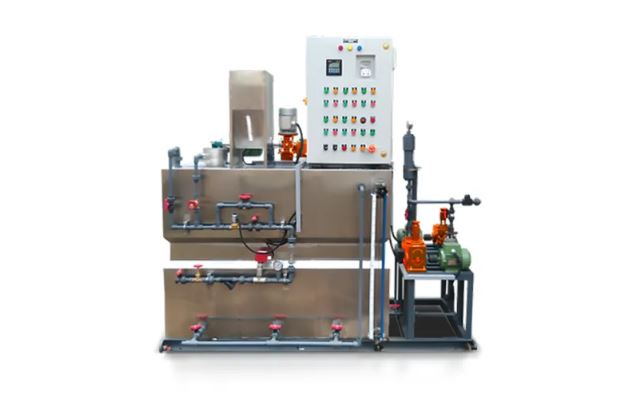
A typical system may include:
- Chemical storage tank
- Dosing pump
- Injection quill or nozzle
- Flow control equipment
- Pressure gauges
- Valves and piping
- Control panel
- Instrumentation and sensors
Each component has a specific role. Together, they provide controlled and repeatable chemical dosing.
Benefits of Controlled Oxygen Scavenger Dosing
A properly designed Oxygen Scavenger Injection system offers several operational benefits.
Better Corrosion Control
Dissolved oxygen can accelerate corrosion in industrial equipment. Controlled chemical dosing helps reduce oxygen levels before they cause significant damage.
As a result, plants can improve protection for boilers, pipelines, tanks, and related components.
Consistent Chemical Dosage
Manual chemical addition can create uneven dosing. An automated injection system provides better consistency.
It can adjust chemical delivery according to process requirements. This approach also helps reduce unnecessary chemical consumption.
Improved Equipment Protection
Corrosion can affect equipment efficiency and increase maintenance needs. Proper oxygen treatment helps protect critical components.
Consequently, plants can support longer equipment operating periods and reduce avoidable interruptions.
Easier Process Management
Modern dosing systems can connect with plant control systems. Operators can monitor flow, pressure, chemical levels, and dosing rates.
This information helps operators make timely adjustments when process conditions change.
Choosing the Right Oxygen Scavenger Injection System
Every industrial process has different requirements. Therefore, plants should select equipment based on actual operating conditions.
Before choosing an Oxygen Scavenger Injection solution, consider the following factors:
- Water flow rate
- Operating temperature
- System pressure
- Dissolved oxygen level
- Chemical concentration
- Required dosing capacity
- Material compatibility
- Control requirements
- Maintenance needs
The dosing pump must match the required flow and pressure. The injection point should also provide effective chemical mixing.
Chemical compatibility is equally important. Pumps, pipes, seals, valves, and injection components should withstand the selected chemical.
Premix Technologies focuses on industrial dosing and mixing solutions for applications that require controlled chemical delivery.
Best Practices for Oxygen Scavenger Injection
Correct installation is only the first step. Regular monitoring also helps maintain consistent treatment performance.
Operators should regularly check chemical levels and dosing rates. They should also inspect pumps, valves, connections, and injection points.
Furthermore, calibration should follow the manufacturer’s recommended schedule. Poor calibration can lead to underdosing or overdosing.
It is also useful to monitor water chemistry. Dissolved oxygen measurements can help determine whether the treatment system performs as expected.
Good operating practices include:
- Maintain clean chemical storage tanks.
- Check dosing pump performance regularly.
- Inspect injection points for blockage.
- Monitor chemical consumption.
- Calibrate instruments when required.
- Record important process readings.
- Follow chemical handling procedures.
These steps can improve system reliability and support safer plant operations.
Frequently Asked Questions
1. What is Oxygen Scavenger Injection used for?
It is used to reduce dissolved oxygen in industrial water. This helps control corrosion and protect equipment such as boilers, pipelines, and tanks.
2. Which chemicals are used as oxygen scavengers?
Common options include sodium sulfite, sodium bisulfite, carbohydrazide, and DEHA-based chemicals. The correct choice depends on the process.
3. Why is controlled chemical dosing important?
Controlled dosing helps maintain the required chemical concentration. It can also reduce chemical waste and improve treatment consistency.
4. Where can oxygen scavenger systems be used?
These systems can support boiler feedwater, condensate systems, industrial water treatment, and other applications where dissolved oxygen requires control.
5. How can industries improve dosing performance?
Industries should select suitable pumps, maintain proper injection points, monitor water chemistry, and perform regular equipment checks.
Conclusion
Oxygen Scavenger Injection provides a practical way to control dissolved oxygen in industrial water systems. By maintaining accurate chemical dosing, industries can reduce corrosion risks and protect important equipment.
The right system should match the plant’s flow rate, pressure, chemical requirements, and control needs. Regular inspection and monitoring also help maintain reliable performance.
For industries looking to improve chemical dosing and industrial water treatment, Premix Technologies can provide application-focused solutions. Contact the team to discuss your process requirements and identify a suitable dosing approach.