Multistage Pump in India: Selection, Applications, Benefits and Maintenance

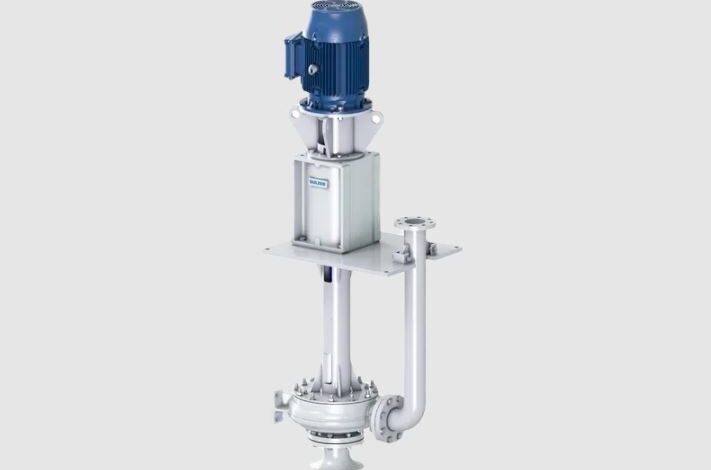
Modern water supply and industrial systems often need more than basic pumping capacity. When water has to move through long pipelines, reach elevated locations, or maintain higher discharge pressure, choosing the right pump becomes essential. A Multistage Pump in India can be a suitable solution for applications where higher head and reliable fluid movement are required.
Unlike a conventional single-stage pump, a multistage pump uses several impellers arranged in sequence. Each stage adds energy to the liquid, helping the pump achieve higher pressure while maintaining a practical and efficient design. Malhar Pump offers pumping solutions for different industrial and commercial requirements, with pump selection depending on the actual operating conditions of each application.
What Is a Multistage Pump?
A multistage pump is a centrifugal pump that contains two or more impellers within the same pumping unit. These impellers work one after another to increase the pressure of the liquid.
The liquid first enters the suction section and reaches the first impeller. After gaining energy, it moves to the next stage. This process continues until the liquid reaches the discharge outlet.
The number of stages can vary according to the required pressure or total head. Therefore, a multistage design is especially useful when a system needs higher pressure than a typical single-stage pump can provide.
How Does a Multistage Pump Work?
The operating principle is based on the combined action of multiple impellers. When the motor rotates the pump shaft, the impellers rotate at the required speed and transfer energy to the liquid.
After passing through the first impeller, the liquid enters the next stage. Each additional stage contributes further pressure to the fluid. As a result, the final discharge pressure can be significantly higher than that produced by one impeller alone.
However, pump performance depends on proper sizing. The number of stages should be selected according to the required head, flow rate, fluid characteristics, and system resistance.
Why Are Multistage Pumps Used?
Different pumping systems have different operating requirements. Some applications need high flow, while others require high pressure. A multistage pump is generally considered when the system requires greater head without using a very large single impeller.
One major advantage is its suitability for pressure-intensive applications. It can help move water through long pipelines, overcome elevation differences, and supply systems that operate under higher pressure conditions.
In addition, the pump can be selected according to the required capacity and head. This makes it useful across several commercial, residential, agricultural, and industrial environments.
Applications of Multistage Pump in India
The demand for high-pressure pumping equipment exists across many sectors. However, the exact pump specification should always match the application.
High-Rise Buildings
High-rise buildings may require water to be delivered to upper floors at adequate pressure. A properly selected multistage pump can be used in water boosting and distribution systems where elevation creates additional head requirements.
Industrial Water Supply
Manufacturing facilities often use water for processing, cooling, cleaning, and other operational activities. Multistage pumps can be considered when the system requires consistent pressure across industrial pipelines.
Boiler Feed Applications
Certain boiler systems require feedwater to enter the boiler at a pressure higher than the available supply pressure. Multistage pumps can be used for suitable boiler feed applications when their pressure, temperature, material, and capacity specifications meet the system requirements.
Pressure Boosting Systems
A building or industrial facility may experience insufficient water pressure because of system design, elevation, or supply limitations. A multistage pump can form part of a pressure-boosting arrangement designed to maintain the required delivery pressure.
Irrigation and Agriculture
Agricultural installations may involve considerable lifting height or long-distance water transportation. Depending on the water source, required flow, elevation, and pipeline arrangement, a multistage pump may be suitable for certain irrigation applications.
How to Choose the Right Multistage Pump
Selecting a pump only by motor horsepower can result in poor system performance. Instead, several technical factors should be evaluated before making a decision.
1. Determine the Required Flow Rate
Flow rate refers to the quantity of liquid that needs to be moved within a specific period. It may be expressed in litres per minute, litres per second, or cubic metres per hour.
The expected operating flow should be clearly determined before selecting a pump. A pump that is too small may fail to meet demand, while excessive capacity may result in inefficient operation.
2. Calculate Total Head
Total head is one of the most important factors in pump selection. It includes the vertical distance the liquid must travel as well as pressure requirements and losses caused by pipes, valves, bends, fittings, and other components.
Accurate head calculations help determine the number of stages and pump capacity required for the installation.
3. Consider Fluid Characteristics
Water is the most common liquid handled by many multistage pumps. However, some industrial applications involve liquids with different temperatures, viscosities, chemical properties, or suspended particles.
Therefore, the pump material and construction should be compatible with the liquid. This consideration becomes particularly important when the pumped fluid can cause corrosion or premature component wear.
4. Check Operating Conditions
The expected operating environment should also be considered. Factors such as operating hours, ambient temperature, available power supply, suction conditions, and installation space can affect pump selection.
It is better to evaluate the complete operating range instead of selecting equipment based only on maximum rated values.
Benefits of Multistage Pump Systems
A properly selected multistage pump can offer several practical advantages.
First, the multiple-stage arrangement makes it possible to achieve higher head within a relatively compact pumping system. This can be useful where space and pressure requirements both matter.
Second, the pump can be configured for different head requirements by selecting an appropriate number of stages. This provides flexibility during system design.
Third, multistage pumps can support applications that require continuous pressure delivery. However, actual efficiency and performance depend on correct pump sizing, installation, operating conditions, and maintenance.
Common Pump Selection Mistakes
Several avoidable mistakes can affect pump performance.
One common mistake is ignoring total system head. A pump may have sufficient flow capacity but still fail to deliver the required pressure if the head calculation is incorrect.
Another mistake is choosing an oversized pump. More capacity does not always mean better performance. An oversized unit can operate away from its ideal operating point and may consume unnecessary energy.
Ignoring suction conditions can also create problems Malhar Pump. Poor suction piping, insufficient liquid supply, or unsuitable installation conditions can affect pump operation.
Finally, selecting a pump without considering the liquid characteristics can lead to premature wear or component damage.
Maintenance Tips for Better Pump Performance
Regular maintenance helps identify potential problems before they become major failures. Operators should monitor pressure, flow, vibration, temperature, noise, and leakage during normal operation.
Mechanical seals, bearings, couplings, and other wear-prone components should be inspected according to the manufacturer’s recommendations. Any unusual vibration or change in pump performance should be investigated promptly.
The surrounding piping system also deserves attention. Loose connections, blocked lines, damaged valves, and unsuitable pipe arrangements can affect the overall pumping system even when the pump itself is functioning correctly.
Proper alignment and installation are equally important. A well-installed pump generally provides a better foundation for consistent operation and easier maintenance.
Multistage Pump vs Single-Stage Pump
The main difference between these two designs is the number of impellers and the way pressure is generated.
A single-stage pump uses one impeller and may be suitable for applications with moderate head requirements. A multistage pump uses several impellers, allowing it to develop greater head through successive stages.
Therefore, the choice should not be based on the assumption that one design is always better. Instead, engineers and buyers should compare the required flow, total head, liquid properties, energy requirements, installation conditions, and expected operating cycle.
Why Proper Pump Selection Matters
A pumping system should be treated as a complete system rather than as an isolated piece of equipment. Pipe diameter, fittings, valves, elevation, fluid properties, and operating schedules all influence the actual requirements.
For this reason, buyers should review detailed technical specifications before finalizing equipment. Malhar Pump can be considered when evaluating pumping solutions for applications where pressure and flow requirements need to be matched carefully with the installation.
Conclusion
A Multistage Pump in India can be a practical choice for applications that require higher pressure or head. Its multiple-impeller design allows pressure to build progressively, making it useful for high-rise water supply, industrial systems, pressure boosting, irrigation, and selected boiler applications.
The best results come from correct pump selection rather than simply choosing the highest-capacity model. Flow rate, total head, fluid characteristics, suction conditions, power requirements, and installation factors should all be evaluated before purchase. With suitable selection and regular maintenance, a multistage pumping system can provide dependable performance for demanding water-handling applications.