

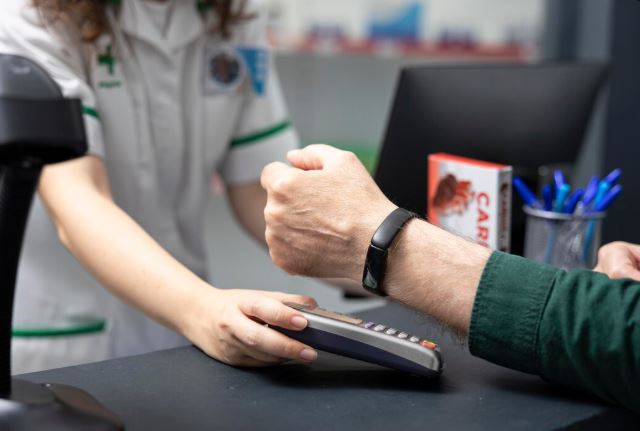
Medical treatment can become stressful when patients and families also need to manage insurance paperwork. Understanding policy terms, arranging documents, and communicating with hospitals can sometimes feel confusing. Cashless claim support can make this process easier by helping patients understand the steps involved in a cashless health insurance claim. HealthBhi helps patients navigate claim-related information and understand what they may need during the process. With proper guidance, patients can focus more on their treatment while handling insurance requirements in a more organized way.
What Is Cashless Claim Support?
Cashless claim support refers to assistance provided during the process of using eligible health insurance benefits at a network hospital. In a cashless process, the insurer or third-party administrator may settle eligible expenses directly with the hospital according to the policy terms and approved claim amount. However, patients may still need to provide documents and complete certain formalities. Support services can help patients understand these requirements and follow the necessary steps. The exact process can vary depending on the insurance company, policy, hospital, and treatment.
Why Cashless Claim Support Is Helpful
Insurance claims can involve several steps, especially when patients are already dealing with medical treatment. Understanding policy coverage, authorization requirements, documents, and hospital procedures can reduce confusion. Cashless claim support can help patients understand what information may be required and where to submit it. It can also help them communicate with the relevant hospital or insurance team when clarification is needed. While support does not guarantee claim approval, proper guidance can make the overall process more organized and easier to understand.
Understanding the Cashless Claim Process
The cashless claim process generally begins when a patient chooses an eligible network hospital covered under their health insurance policy. The hospital may collect insurance details and submit a pre-authorization request to the insurer or relevant administrator. The insurer then reviews the request according to the policy conditions. If approved, eligible expenses may be settled directly between the insurer and hospital. Patients may still need to pay expenses that are not covered by the policy. Therefore, understanding the policy and approval terms before treatment can help avoid unexpected confusion.
Documents Commonly Required
The documents required for a cashless claim can vary depending on the insurer and type of treatment. Patients may need to provide their health insurance card, identification documents, medical reports, prescriptions, admission details, and other information requested by the hospital or insurer. For planned treatment, some documents may need to be submitted before admission. Emergency cases may follow a different process. Patients should confirm the exact requirements with the hospital and insurance provider. Keeping important documents organized can help make the claim process smoother.
Role of Hospitals in Cashless Claims
Hospitals often play an important role in the cashless claim process. The insurance or billing desk may collect policy details, prepare documents, and communicate with the insurer or third-party administrator. Patients should provide accurate information and respond to requests promptly. The hospital may also explain which expenses are covered and which may need to be paid by the patient. However, coverage depends on the insurance policy and approval received from the insurer. Clear communication between the patient, hospital, and insurer can help reduce misunderstandings during treatment.
What Expenses May Not Be Covered?
Cashless treatment does not always mean that every medical expense is covered. Health insurance policies can include exclusions, deductibles, co-payments, limits, waiting periods, and other conditions. Some services or expenses may therefore need to be paid by the patient. Patients should review their policy terms and ask the hospital or insurer about expected personal expenses. This can help them understand the financial responsibilities before or during treatment. Cashless claim support can help patients understand the process, but final coverage decisions remain subject to the insurance policy and insurer’s approval.
How HealthBhi Can Help
HealthBhi can help patients understand the general steps involved in cashless insurance claims and organize the information required for the process. Patients can seek guidance about documents, hospital coordination, claim procedures, and other claim-related questions. Having clear information can make it easier to communicate with hospitals and insurance representatives. However, every insurance policy has different terms and conditions. Therefore, patients should always confirm coverage, eligibility, approval, and final settlement details with their insurer or authorized administrator before relying on a claim.
Tips for a Smoother Cashless Claim
Patients can take several simple steps to make the claim process more organized. First, keep your insurance card and policy information easily accessible. Next, check whether the selected hospital is part of your insurer’s network. For planned treatment, ask about pre-authorization requirements before admission. Keep medical reports and other requested documents ready. Also, understand deductibles, exclusions, co-payments, and other applicable conditions. Finally, maintain communication with the hospital insurance desk and insurer if additional information is requested. These steps can help reduce delays caused by missing or incorrect information.
Frequently Asked Questions
What is Cashless Claim Support?
Cashless Claim Support helps patients understand and manage the steps involved in using eligible health insurance benefits at a network hospital. It may include guidance about documents, authorization, hospital coordination, and claim-related procedures.
Does cashless treatment mean I pay nothing?
Not necessarily. Cashless approval generally applies only to eligible expenses covered under the insurance policy. Patients may still need to pay deductibles, co-payments, excluded services, or other non-covered expenses.
What documents are needed for a cashless claim?
Requirements vary by insurer and treatment. Common documents may include an insurance card, identification, medical reports, prescriptions, and hospital-related information. The hospital or insurer can provide the exact document list.
Can a cashless claim be rejected?
Yes. A cashless request may not be approved if the treatment or expenses do not meet the policy conditions. Approval depends on factors such as coverage, eligibility, exclusions, and the insurer’s assessment.
How can I get Cashless Claim Support?
You can seek guidance from a healthcare support service such as HealthBhi and also communicate with the hospital insurance desk and your insurer. Always verify final coverage and approval directly with the authorized insurance provider.
Conclusion
Managing medical treatment is already challenging, and insurance procedures can add another layer of stress. Cashless claim support can help patients understand the required steps, documents, hospital coordination, and insurance procedures more clearly. HealthBhi provides guidance to help patients navigate the claim process in a more organized way. However, final claim approval and coverage depend on the applicable insurance policy and insurer. If you need help understanding your cashless claim process, seek proper guidance and confirm all important details with your healthcare provider and insurance company.