

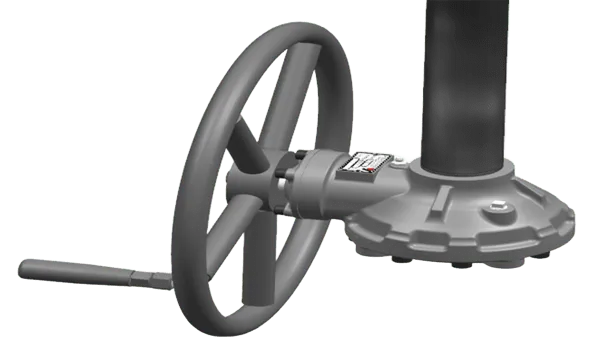
Water distribution networks require dependable equipment to regulate flow, isolate pipelines, and manage pressure across different sections. Industrial facilities also need operating mechanisms that can handle large valves without demanding excessive manual effort. A suitable gearbox makes these operations more convenient and controlled. The Sluice Valve Gearbox plays an important role in this arrangement by transferring mechanical force to the valve operating system. Its design supports smooth movement and helps operators manage heavy-duty applications. From municipal water networks to industrial installations, selecting an appropriate mechanism contributes to consistent operation and better equipment management.
Understanding the Purpose of a Sluice Valve Gearbox
A sluice valve controls the movement of water or other compatible fluids through a pipeline. Its internal gate moves to restrict or permit flow according to operating requirements. In larger installations, turning the valve directly may require considerable force. Therefore, a gearbox provides mechanical assistance.
The Sluice Valve Gearbox transfers input rotation through an internal gear arrangement. This mechanism helps operators achieve the required valve movement with improved control. Depending on its design, it can also provide suitable torque multiplication for demanding operating conditions.
Furthermore, the gearbox helps simplify routine handling. Operators can manage opening and closing activities more conveniently, particularly when valves are installed in underground chambers, treatment facilities, or large distribution networks.
Key Mechanical Features Worth Considering
The performance of industrial valve equipment depends on several design characteristics. Buyers should understand these features before choosing a suitable model.
Durable Housing Construction
The outer housing protects internal gears from external conditions. Strong construction supports mechanical stability during regular operation. Material selection also matters because moisture, dust, and environmental exposure can affect equipment life.
Efficient Gear Arrangement
Internal gears transfer rotational force to the valve operating mechanism. Their configuration influences operating effort, output torque, and movement. A suitable arrangement helps maintain consistent performance during normal operating cycles.
Controlled Valve Movement
Accurate movement is important when regulating pipeline flow. The Sluice Valve Gearbox supports controlled operation by transmitting mechanical input through the gear system. Consequently, operators can handle large valves more comfortably.
Installation Compatibility
Different valves have different mounting arrangements and operating requirements. Therefore, buyers should examine connection dimensions, stem configuration, torque ratings, and available mounting options before purchasing.
Industrial Applications of Sluice Valve Gearbox Systems
Sluice valves are commonly installed in water infrastructure because they provide a practical method of isolating pipeline sections. Their gear-operated arrangements support applications where direct manual operation becomes difficult.
Municipal water supply departments use these mechanisms in distribution networks, pumping stations, and storage facilities. Similarly, water treatment plants require suitable operating equipment to manage different pipeline sections during maintenance and regular processing.
The Sluice Valve Gearbox can also be relevant to irrigation infrastructure. Agricultural water distribution systems often contain large pipelines that require dependable isolation arrangements. In addition, industrial manufacturing facilities use sluice valves in compatible water circulation and utility networks.
Other applications include wastewater management, infrastructure development, commercial water installations, and large pumping projects. However, buyers must always confirm whether the selected equipment matches the fluid characteristics and working conditions.
Selecting the Right Gearbox for Operational Requirements
Choosing equipment without checking technical specifications can create unnecessary difficulties. A gearbox must match the connected valve and its intended operating environment.
First, identify the valve size and required operating torque. These details help determine the mechanical capacity needed for effective operation. Next, review the mounting arrangement and shaft dimensions to ensure proper compatibility.
Environmental conditions also deserve attention. Outdoor installations may face rain, dust, temperature changes, and corrosion risks. Therefore, suitable housing materials and protective features can improve equipment suitability.
The Sluice Valve Gearbox should also match the expected operating frequency. A valve used regularly may have different requirements from one operated occasionally for maintenance purposes. Consulting technical documentation helps buyers make informed decisions.
Installation Practices That Support Better Performance
Correct installation helps maintain reliable mechanical operation. Before fitting the gearbox, technicians should inspect the valve assembly, mounting surface, and connecting components. They must also confirm that all relevant dimensions match the equipment specifications.
Proper alignment is particularly important. Incorrect positioning can introduce additional mechanical stress and affect operating movement. Therefore, trained technicians should follow the manufacturer’s installation instructions.
After installation, operators should check the complete movement cycle. The Sluice Valve Gearbox should operate without unusual resistance, excessive noise, or visible mechanical interference. Any irregularity should receive attention before the equipment enters regular service.
Maintenance Measures for Long-Term Reliability
Regular maintenance helps identify developing problems and supports consistent equipment performance. Inspection schedules should consider operating frequency, environmental exposure, and manufacturer recommendations.
Technicians should examine the gearbox housing for cracks, corrosion, or physical damage. They should also inspect seals and lubrication points according to the prescribed maintenance procedure.
Additionally, unusual vibration or operating resistance may indicate an internal mechanical issue. Addressing these signs early can prevent further complications. The Sluice Valve Gearbox benefits from appropriate lubrication, periodic inspection, and careful handling throughout its service life.
Understanding Multi Turn Bevel Gearbox Applications
A Multi Turn Bevel Gearbox uses bevel gears to transfer rotational movement between shafts arranged at an angle. It can support valve applications that require multiple input rotations and controlled mechanical output. Its selection depends on torque requirements, gear ratio, mounting configuration, and the connected valve design. Industrial buyers should examine technical specifications carefully to determine whether this arrangement suits their installation. Proper compatibility helps maintain effective movement and supports dependable mechanical operation in suitable industrial systems.
Jayveer Enterprise for Industrial Gearbox Requirements
Selecting an equipment supplier requires attention to product specifications, technical communication, and application suitability. Jayveer Enterprise is a business buyers can consider when exploring industrial gearbox requirements.
Before discussing an order, customers should provide valve dimensions, operating conditions, and installation details. This information helps establish the required mechanical arrangement. Buyers should also request relevant product specifications to evaluate compatibility.
For projects involving a Sluice Valve Gearbox, comparing torque capacity, housing construction, mounting arrangements, and maintenance requirements can support better purchasing decisions. Clear communication also helps reduce confusion during equipment selection.
Important Purchasing Considerations
A careful evaluation process can help businesses identify suitable equipment for their requirements. Consider these factors before finalising an order:
- Verify valve size and connection dimensions.
- Confirm operating torque and gear ratio.
- Examine housing materials and protective features.
- Review installation and mounting requirements.
- Check lubrication and maintenance instructions.
- Request technical information from the supplier.
These checks provide a useful foundation for comparing available products. More importantly, they help ensure that the selected mechanism suits the actual working environment.
Conclusion
Effective water management depends on reliable valves and compatible operating mechanisms. Industrial buyers should consider mechanical strength, torque capacity, installation requirements, and maintenance needs before selecting equipment. A properly matched Sluice Valve Gearbox can simplify heavy valve operation and support controlled pipeline isolation across different applications. Jayveer Enterprise can be considered when evaluating industrial gearbox requirements. By reviewing technical specifications and confirming valve compatibility, businesses can make informed purchasing decisions and maintain dependable equipment performance throughout their operations.