

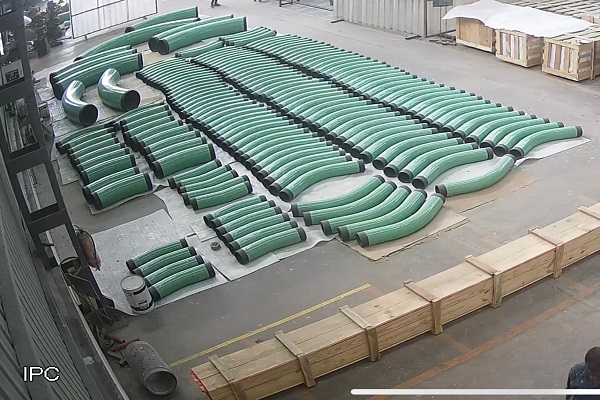
Steel infrastructure requires reliable protection to withstand demanding industrial conditions, particularly when exposed to moisture, chemicals, soil, and changing temperatures. Selecting the right surface treatment can help prevent premature damage while maintaining structural strength. Fbe Epoxy is widely recognized for its protective capabilities, creating a durable coating that bonds with prepared metal surfaces. This technology supports industries that depend on dependable pipelines, fabricated steel components, and long-lasting equipment. By combining proper surface preparation, controlled application, and quality inspection, businesses can improve asset reliability, minimize maintenance interruptions, and support consistent performance throughout the operational life of their infrastructure.
The Material Science Behind Fbe Epoxy
Fusion bonded Fbe Epoxy is a thermosetting powder material designed to form a protective film on metal surfaces. When exposed to controlled heat, the powder melts, spreads, and chemically bonds with prepared steel. After curing, it creates a firmly attached layer that separates the substrate from external corrosive agents.
Unlike conventional liquid paints, Fbe Epoxy forms a coating through a heat-driven process rather than simple solvent evaporation. Its formulation may include epoxy resins, curing agents, pigments, and performance additives. These ingredients contribute to adhesion, hardness, chemical resistance, and protective consistency. The final properties depend on formulation, application conditions, and the coating specification selected for the project.
Performance Advantages Across Industrial Environments
Industrial assets often operate in locations where replacing damaged components is expensive and disruptive. Therefore, protective materials must provide more than an attractive surface finish. They should support long-term functionality and reduce exposure to corrosion-related problems.
Key benefits of this coating technology include:
- Strong bonding with properly prepared steel
- Effective resistance to moisture and corrosive exposure
- Consistent coverage on coated components
- Good abrasion resistance under suitable conditions
- Reduced risk of premature steel deterioration
- Potentially lower maintenance demands
These characteristics make Fbe Epoxy a practical option for engineers evaluating protective materials for industrial infrastructure.
Applications Beyond Conventional Pipeline Projects
Although pipelines remain a major application, Fbe Epoxy powder coatings also serve several other industrial purposes. Their adaptability allows project designers to consider coating protection for steel products used in different environments.
Typical applications include water transmission systems, oil and gas infrastructure, industrial piping, valves, fittings, steel fabrication, and selected structural components. Depending on specifications, coating systems may be suitable for buried, immersed, or exposed installations.
For these applications, Fbe Epoxy helps create a barrier against damaging environmental conditions. However, engineers must confirm whether the selected formulation meets the temperature, chemical, mechanical, and operating demands of the installation. A coating suitable for one facility may not necessarily perform equally well in another.
Factors That Determine the Finished Quality
Material quality alone cannot guarantee coating performance. Several technical details influence the result, beginning with the condition of the steel. Surface preparation removes contaminants and establishes a suitable profile for bonding.
Application temperature must also remain within the manufacturer’s recommended range. If the steel is too cold or too hot, the powder may not melt or cure as intended. Similarly, application equipment needs proper calibration to distribute material consistently.
The thickness of Fbe Epoxy must match project requirements. Excessively thin coverage may leave insufficient protection, while unsuitable thickness can affect performance or create application concerns. Inspection procedures, including thickness measurement and holiday detection, help identify defects before coated components are accepted.
Handling also matters. Even a carefully applied coating can be damaged by careless lifting, stacking, transportation, or installation. Protective handling procedures preserve the surface and reduce avoidable repair work.
Engineering Considerations Before Ordering Coated Products
Before approving a coating system, project teams should review operating conditions, steel dimensions, application requirements, and inspection criteria. Technical documentation helps establish expectations between the coating supplier, fabricator, contractor, and asset owner.
The coating selection should account for service temperature, chemical contact, soil conditions, installation methods, and mechanical exposure. Moreover, specifications should identify acceptable thickness ranges, testing requirements, repair procedures, and standards applicable to the project.
When evaluating Fbe Epoxy, businesses should request product information and confirm that the proposed system aligns with the intended use. This preparation improves purchasing decisions and helps prevent mismatches between material capabilities and actual site conditions.
Building a Better Coating Specification
A successful coating project begins with clear communication between engineers, procurement teams, and coating professionals. Sharing drawings, component details, environmental conditions, and acceptance criteria early helps prevent unnecessary changes once production starts.
Specifications should address service temperature, chemical contact, soil conditions, installation methods, and mechanical exposure. They should also identify thickness ranges, testing requirements, repair procedures, and applicable standards. Documenting these details creates a common understanding of the project’s technical expectations.
When assessing Fbe Epoxy, businesses should request product information and verify that the proposed system suits its intended application. This step helps prevent mismatches between material capabilities and actual site conditions.
A Specialized Coating Approach for Demanding Projects
For projects requiring additional protective build, buyers may consider a Dual Fbe Coating Service after reviewing the engineering specification. A dual-layer approach may suit certain operating conditions, but its selection depends on exposure, thickness requirements, and performance targets. Teams should confirm compatibility, inspection methods, repair procedures, and applicable standards before finalizing the scope. A technical assessment helps determine whether a single-layer or dual application offers the appropriate balance of protection, installation practicality, and cost. Clear documentation also supports consistent quality expectations from production through delivery.
Working With Heatman Products
Heatman Products serves industrial coating requirements where dependable surface performance and project coordination are important. Buyers can improve their procurement process by sharing technical details early, reviewing coating specifications, and confirming inspection expectations before work begins.
Understanding the requirements for Fbe Epoxy helps project teams make informed material decisions instead of relying on assumptions. Proper communication, careful handling, and planned inspection can contribute to better results. A suitable coating system combined with responsible application practices supports asset preservation and reduces avoidable maintenance concerns.
Conclusion
Effective steel protection depends on material suitability, preparation, application control, and quality inspection. Fbe Epoxy offers a durable protective barrier when selected according to environmental exposure and engineering requirements. Heatman Products helps industrial buyers consider coating needs with attention to reliability and surface performance. By reviewing specifications carefully and protecting coated components during handling, businesses can support infrastructure durability, operational continuity, and long-term value.