

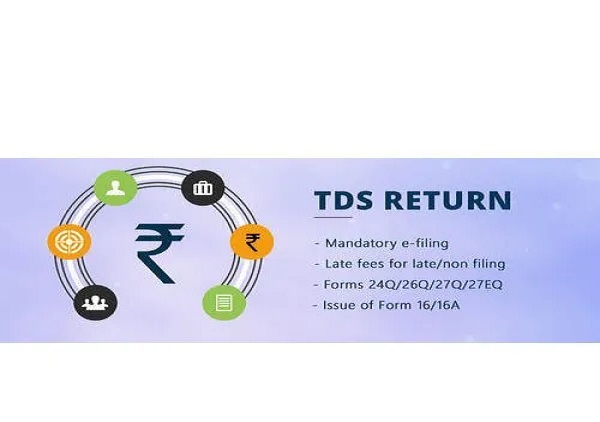
Tax administration requires accuracy, consistency, and proper coordination between financial records and statutory obligations. Businesses that deduct tax from specified payments must report those transactions through the prescribed statements. TDS Return Filing in Mumbai helps organisations document deductions, reconcile deposited amounts, and meet reporting schedules. However, the process involves more than submitting an electronic form. Companies must verify taxpayer details, examine payment categories, and maintain supporting documents. A structured approach can reduce filing complications while helping finance departments maintain reliable information for accounting reviews and future assessments.
The financial importance of organised TDS reporting
Tax deduction at source connects business payments with the recipient’s tax records. Employers, companies, firms, and other eligible deductors must follow applicable provisions when making specified payments. These may include salaries, professional fees, contractual payments, interest, and other transactions covered by tax rules.
Accurate reporting helps recipients receive appropriate tax credit information. It also allows deductors to maintain a clear record of amounts withheld and deposited. TDS Return Filing in Mumbai therefore deserves attention throughout the financial year, not simply when a submission deadline approaches.
Businesses should establish internal procedures for recording deductions immediately after relevant transactions. This practice makes reconciliation easier and reduces dependence on last-minute document collection.
TDS Return Filing in Mumbai across different statement categories
Different payment types require different TDS statements. Understanding the correct category is important because selecting an unsuitable form can create reporting problems.
Form 24Q generally covers tax deductions from salary payments. Form 26Q applies to specified domestic payments other than salaries, while Form 27Q covers relevant payments to non-residents. Other prescribed statements may apply in particular circumstances.
The responsible finance team should identify the applicable form by examining transaction details and current legal provisions. TDS Return Filing in Mumbai becomes more organised when businesses classify payments correctly before preparing their statements.
Records that support accurate submissions
A reliable filing process begins with complete financial information. Deductors should maintain their Tax Deduction and Collection Account Number, relevant PAN details, payment registers, deduction calculations, and challan records.
Challan information deserves particular attention. The amount deposited, payment date, bank details, and identification numbers should match the corresponding accounting entries. Any difference can affect statement validation or tax credit reporting.
Businesses should also verify recipient names and PAN information against available records. TDS Return Filing in Mumbai requires careful checking because incorrect identification details may lead to defaults or correction requirements.
Maintaining digital copies of supporting documents helps finance personnel retrieve information quickly. It also creates a useful reference when reconciling previous submissions.
TDS Return Filing in Mumbai with a defined review process
A dependable reporting cycle involves several checkpoints. First, the accounts department gathers transaction details for the relevant quarter. Next, the team calculates deductions and compares them with actual deposits.
The statement is then prepared using the prescribed format and validated through the applicable utility or filing system. Validation helps identify structural errors, incorrect fields, and missing information before submission.
After resolving reported issues, the authorised person submits the statement through the designated platform. TDS Return Filing in Mumbai should also include acknowledgement preservation and subsequent processing-status checks.
Businesses should not treat an upload confirmation as the final stage. They need to review processing results and address any defaults or discrepancies identified by the system.
Preventing delays and unnecessary correction work
Late submissions and inaccurate entries can increase administrative pressure. Therefore, organisations should maintain a quarterly compliance calendar with clearly assigned responsibilities.
Common problems include incorrect PAN entries, unmatched challans, wrong deduction amounts, duplicate records, and incomplete recipient information. These issues often arise when departments share information without a standard reporting format.
TDS Return Filing in Mumbai becomes easier when HR, accounts, and management follow agreed submission deadlines. Finance personnel should receive approved information before the preparation stage begins.
When errors appear after submission, deductors may need to file a correction statement through the prescribed process. Keeping original documents and acknowledgement details makes subsequent corrections easier to manage.
Professional support for tax administration
Some organisations have dedicated tax departments, while smaller businesses depend on limited accounting resources. External professional assistance can help coordinate documentation, examine transaction classifications, review deduction records, and prepare statements.
TDS Return Filing in Mumbai support may be particularly useful for companies processing numerous vendor payments, employee salaries, or professional transactions. A defined service arrangement can also help businesses track quarterly deadlines and organise supporting information.
Clientfirst Professional Services can be approached to discuss business taxation and compliance-related assistance. Before engaging a provider, companies should clarify the scope of work, document requirements, review responsibilities, communication arrangements, and professional charges.
Employers and deductors must still provide accurate information and fulfil obligations assigned to them under applicable law.
Using digital records for better financial visibility
Digital documentation can improve the accessibility of tax records. Businesses should organise submitted statements, challan receipts, deduction registers, invoices, and acknowledgements by financial year and reporting period.
Periodic reconciliation also helps management understand differences between accounting records and reported deductions. TDS Return Filing in Mumbai can become a more controlled activity when finance teams review these records regularly.
Access permissions and secure storage are equally important. Tax documents contain financial and identification information, so organisations should allow access only to authorised personnel. Regular backups can further protect important records against accidental loss.
Shop and Establishment Act Registration in Mumbai
Apart from taxation, businesses should examine establishment-related requirements under the applicable Maharashtra Shops and Establishments legislation. Shop and Establishment Act Registration in Mumbai concerns a separate area of business compliance and does not replace tax reporting responsibilities. Registration requirements, applicable exemptions, documents, and submission procedures depend on the establishment’s circumstances and current provisions. Employers should confirm their obligations with the relevant government authority or a qualified professional.
Conclusion
Tax deduction reporting requires dependable records, accurate calculations, and timely submissions. Businesses that establish clear responsibilities can reduce discrepancies and maintain better control over their financial documentation. TDS Return Filing in Mumbai supports this process by helping organisations manage quarterly statements and related reporting activities. Clientfirst Professional Services can discuss suitable compliance assistance according to business requirements. Consistent reconciliation, careful verification, and organised documentation create a stronger foundation for responsible tax administration throughout the year.