

Strong buildings depend on suitable materials, careful workmanship, and thoughtful purchasing decisions. Choosing cement that matches structural requirements can support reliable concrete performance throughout a project’s life. For many construction buyers, Birla A1 OPC 53 Grade Cement deserves consideration when planning residential, commercial, or other approved building applications. However, the right selection also depends on engineering specifications, mix design, site conditions, and curing practices. ULT Cement Booking helps customers organize their cement purchasing requirements, compare supply arrangements, and coordinate deliveries with construction schedules, making material planning easier for homeowners, contractors, and building professionals.
Understanding Birla A1 OPC 53 Grade Cement
Ordinary Portland Cement is commonly used in concrete and mortar across numerous construction activities. The 53 grade classification refers to a specified compressive strength requirement of cement mortar under standard testing conditions, rather than a guarantee of the same strength in finished concrete. Birla A1 OPC 53 Grade Cement should therefore be selected according to the approved design and product documentation.
This distinction matters because concrete performance depends on several elements working together. Accurate batching, suitable aggregates, clean water, proper compaction, and adequate curing all influence the finished result. Buyers should verify the product grade, applicable standards, packaging details, and intended use before confirming an order.
Where 53 Grade Cement May Be Used
Depending on project specifications, 53 grade OPC may be considered for reinforced concrete elements such as columns, beams, slabs, and foundations. It may also suit certain commercial developments and infrastructure applications where the design permits its use. Nevertheless, cement selection should always follow engineering advice rather than assumptions based on grade alone.
For residential construction, project teams should identify the requirements of each stage before purchasing materials. Large developments may need scheduled deliveries to maintain continuity across multiple work areas. Planning quantities in advance helps reduce shortages, unnecessary handling, and prolonged storage at the site.
Important Product Checks Before Ordering
A careful inspection helps buyers avoid preventable procurement problems. Check the bag for tears, moisture marks, damaged seals, or hard lumps. Review the manufacturing information and confirm that the product meets the specifications supplied by the engineer or contractor.
When purchasing Birla A1 OPC 53 Grade Cement, ask the supplier to confirm current availability, packaging size, applicable certification, and delivery terms. Product information should come from reliable documentation, not unsupported assumptions. These checks help customers make informed decisions while ensuring the material matches the intended construction application.
Organizing Cement Supply With ULT Cement Booking
Construction schedules often depend on materials reaching the site at the right time. ULT Cement Booking provides a starting point for coordinating purchasing needs and organizing cement supply requirements. Customers should confirm current prices, service areas, stock availability, payment conditions, and delivery timelines directly before placing an order.
Prepare a purchasing estimate based on the approved construction plan. Then divide the requirement according to the stages of work, available storage, and expected consumption. This method makes it easier to monitor expenditure and avoid holding more cement than the site can safely protect.
Storage Methods That Preserve Cement Quality
Cement requires protection from moisture throughout storage. Keep bags in a dry, covered room on raised pallets rather than placing them directly on the floor. Leave suitable space between stacks and damp walls, and protect the area from roof leaks, rainwater, and ground moisture.
Use stock in the order received, provided each batch remains suitable for use. Inspect bags before opening them, and seek professional advice if cement has become damp or developed hard lumps. Proper storage reduces waste and helps maintain consistent material quality before mixing begins.
Managing Construction Costs Without Compromising Standards
Price matters, but it should not be the only factor in a purchasing decision. Compare the delivered cost, transport charges, supplier reliability, product specifications, and order conditions. Birla A1 OPC 53 Grade Cement should meet the project’s technical requirements before buyers consider differences between quotations.
Request written details covering quantities, delivery arrangements, taxes where applicable, and payment terms. For larger orders, ask whether the supplier can arrange phased deliveries. This approach can improve stock control, reduce congestion, and help keep purchasing aligned with actual site progress.
Coordinating Cement With Reinforcement Requirements
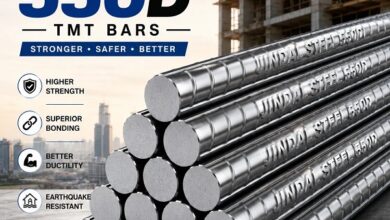
Reinforced concrete construction requires proper coordination between cement, aggregates, water, and steel. Engineers specify reinforcement grades, bar diameters, spacing, and concrete cover according to structural requirements. Contractors must follow the approved drawings and applicable building standards rather than selecting materials independently. Jindal Panther TMT Bar is another material that may be considered for reinforcement where the structural design permits it. Before purchasing, verify the required grade, diameter, quantity, applicable certification, and supplier documentation. Arrange steel and cement deliveries around the construction sequence, while ensuring that both materials have suitable storage and handling arrangements on site.
Practical Steps for Better Material Management
Accurate records help construction teams understand how materials move through a project. Maintain purchase invoices, delivery notes, batch details, and stock records. Assign responsibility for checking incoming supplies so damaged packaging or quantity discrepancies can be addressed promptly.
Review the schedule whenever weather, labour availability, or site progress changes. Adjust future orders instead of allowing materials to accumulate unnecessarily. These simple measures support clearer communication between buyers, suppliers, contractors, and site supervisors, helping everyone work toward the same construction timeline.
Conclusion
Selecting suitable cement requires attention to technical specifications, product condition, purchasing arrangements, and site practices. Birla A1 OPC 53 Grade Cement can be considered for applications where the approved design calls for this grade, but proper mix proportions, skilled placement, and adequate curing remain essential for dependable concrete.
ULT Cement Booking can help buyers organize cement requirements and coordinate supply planning. By verifying product details, comparing quotations carefully, protecting stored bags, and arranging deliveries around actual progress, construction teams can manage resources more effectively. A well-planned purchasing process supports smoother operations while helping maintain the quality expected from a carefully executed building project.