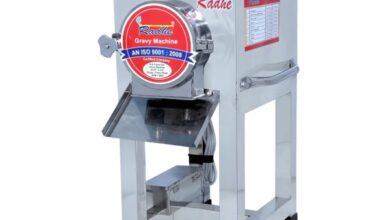

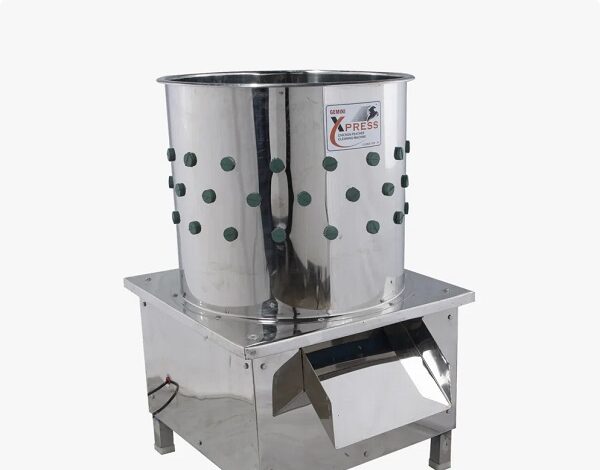
Commercial kitchens and food manufacturers rely on consistent seasoning to give every batch its intended flavour. A Commercial Chutney Masala Grinder helps process dry spices, herbs, and suitable ingredients into a uniform blend for chutneys, masala mixes, and related products. Its usefulness depends on the recipe, ingredient condition, required fineness, and production volume. Gemini Motors & Machinery serves businesses assessing machinery for regular food preparation. Before choosing a model, buyers should understand the grinding mechanism, motor capacity, cleaning needs, and expected output. These details help match equipment to actual working conditions.
Grinding Requirements Vary by Recipe
Chutney masala recipes can include coriander, cumin, pepper, dried chillies, seeds, and other ingredients. Each material has a different hardness, oil content, and moisture level. Therefore, a Commercial Chutney Masala Grinder should be assessed against the ingredients that the business intends to process.
Start by defining the desired texture. Some products need a coarse, visible grain, while others require a fine powder. Ask the supplier whether the Commercial Chutney Masala Grinder supports the required particle size and whether operators can adjust the process. Test representative ingredients wherever possible before finalising the equipment.
Motor Strength and Grinding Commercial Chutney Masala Grinder
Motor power influences how effectively a grinder handles its workload. However, a higher rating alone does not guarantee better results. Blade or hammer design, chamber shape, feed rate, and ingredient characteristics also affect performance. Buyers should compare the complete configuration rather than selecting machinery by one specification.
A Commercial Chutney Masala Grinder should process ingredients without frequent blockages or excessive heat. This Commercial Chutney Masala must also preserve spice character. Heat can affect aroma and the quality of some spices. Ask about recommended batch sizes, operating intervals, and cooling arrangements. Operators should avoid overloading the chamber because excessive feeding can strain the motor and produce uneven material.
Output Capacity and Production Scheduling
Estimate the quantity of masala required per shift before comparing models. A Commercial Chutney Masala Grinder must suit the volume needed by the business, with enough time available for loading, grinding, discharge, and cleaning. A machine with a large advertised capacity may not suit a small unit with limited floor space or power supply.
Consider the number of recipes processed each day. Frequent changes between ingredients may require additional cleaning and setup time. If the business produces several blends, ask how quickly the Commercial Chutney Masala Grinder can be emptied and prepared for the next batch. This can help prevent flavour transfer between products. Clean the Commercial Chutney Masala Grinder between recipes.
Cleanliness and Ingredient Protection
Spice residue can collect around seals, outlets, blades, and chamber corners. If workers leave deposits between batches, old material may affect the next blend. A Commercial Chutney Masala Grinder should therefore have a cleaning process that staff can follow thoroughly and safely.
Switch off and isolate the power before cleaning. Use only the methods and materials recommended by the manufacturer. Remove detachable parts only when the operating instructions permit it, then dry components fully before reassembly. Never use water on electrical sections unless the equipment design and instructions explicitly allow it.
Installation, Operation, and Staff Safety
Measure the available floor area, door access, ventilation, and electrical connection before installation. Confirm voltage, phase, and power requirements with a qualified electrician. Position the Commercial Chutney Masala Grinder for safe access.
Train each operator to inspect the machine before use. Staff should check covers, fasteners, cables, and moving parts. They must never open the chamber while it is running or reach inside to clear a blockage. Stop the equipment and follow the approved procedure instead.
A Commercial Chutney Masala Grinder should be operated within the recommended limits. Schedule inspections for blades, bearings, belts, and other wear parts. Replace damaged components with approved spares, and keep a record of service work. Regular attention can reduce unexpected stoppages during busy production periods.
Selecting a Supplier for Long-Term Use
Purchase decisions should include more than the initial price. Ask about installation guidance, operator instructions, spare part availability, warranty coverage, and service response. Share the recipe details, target fineness, batch size, and daily running hours so the supplier can assess the application accurately. Test the Commercial Chutney Masala Grinder with sample spices and inspect the finished blend carefully before approving purchase.
Gemini Motors & Machinery can discuss these requirements with businesses comparing grinding equipment. A suitable Commercial Chutney Masala Grinder is one that fits the actual process and can be maintained with the resources available at the facility.
Idli Grinding Machine for a Different Preparation Task
An Idli Grinding Machine is designed for preparing batter from soaked rice and lentils. It performs a separate food-processing task and is not a substitute for a spice grinder. Businesses should evaluate its capacity, grinding action, and cleaning needs independently when they also produce idli batter.
Conclusion
Consistent spice preparation depends on suitable machinery, controlled ingredients, and careful operation. A Commercial Chutney Masala Grinder can help food businesses produce repeatable blends when its grinding action, capacity, and maintenance requirements match the recipe. Compare motor specifications, chamber design, cleaning access, safety features, and supplier support before purchasing. Gemini Motors & Machinery can help buyers review these practical factors and identify equipment suited to their production environment. With trained staff and documented batch methods, the grinding stage can support dependable output and flavour standards.