
Warehouses, factories, and distribution centres depend on forklifts to move heavy loads, organise stock, and maintain daily production schedules. Even a minor component failure can interrupt these activities and increase operating expenses. For this reason, Forklift Spares Parts deserve careful attention during equipment maintenance and repair planning. Businesses should identify compatible components, assess wear patterns, and work with suppliers who provide clear product information. Chandigarh Engineering Corp offers a contact point for relevant industrial equipment enquiries. A planned approach to replacement parts helps facility managers reduce unexpected stoppages, protect machinery, and keep material movement organised throughout demanding working days.
Essential Components Behind Forklift Operation
A forklift contains several interconnected systems that must function correctly. These include the engine or electric drive, braking assembly, steering mechanism, hydraulic equipment, mast, wheels, and electrical controls. Each component contributes to safe movement, lifting, or load positioning.
Selecting suitable Forklift Spares Parts starts with understanding which system requires attention. A worn tyre creates different problems from a damaged hydraulic hose or faulty electrical switch. Therefore, technicians should inspect the equipment carefully before ordering replacements. Accurate diagnosis reduces unnecessary purchases and helps maintenance teams restore the machine efficiently.
Forklift Spares Parts for Routine Maintenance
Preventive maintenance helps identify deterioration before it develops into a serious fault. Regular inspections may reveal loose fittings, damaged seals, worn brake components, or unusual mast movement. Addressing these issues early can limit downtime and protect other connected parts.
Maintenance schedules should follow the forklift manufacturer’s instructions and reflect actual operating conditions. Machines working multiple shifts or carrying heavy loads may require more frequent inspections. Keeping service records also helps teams identify recurring faults and estimate when replacements may be needed.
Matching Parts With Equipment Specifications
Not every component fits every forklift, even when two machines appear similar. Differences in model, manufacturing year, load rating, and component design can affect compatibility. Before ordering, record the equipment identification number and the existing part’s reference details.
When sourcing Forklift Spares Parts, compare dimensions, material specifications, connector types, and manufacturer recommendations where applicable. Photographs can assist identification, but they should not replace technical verification. If a part number is unclear, consult a qualified technician or supplier rather than guessing.
Correct matching helps prevent installation delays and reduces the risk of fitting a component that cannot handle the machine’s operating demands.
Hydraulic and Mechanical Parts That Need Attention
Hydraulic systems raise and lower loads through controlled fluid pressure. Hoses, seals, cylinders, valves, and pumps must remain in suitable condition to support reliable lifting. Leaks, slow movement, or uneven operation require inspection because they may indicate wear or a developing fault.
Mechanical components also need regular attention. Chains, bearings, rollers, steering parts, and brake assemblies can deteriorate through repeated use. Operators should report unusual sounds, vibration, or changes in handling promptly.
Never continue using equipment with a suspected critical fault. Qualified personnel should assess the problem, isolate unsafe machinery, and install approved replacements according to service procedures.
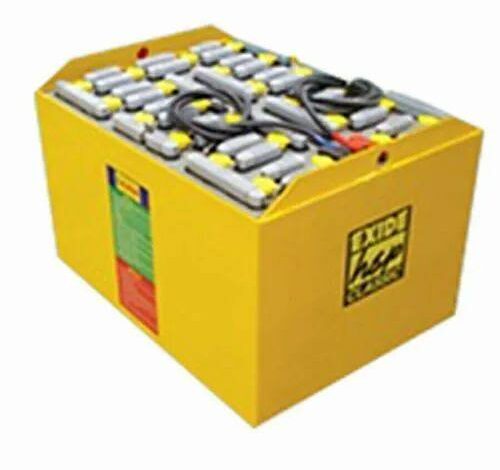
Electrical Components and Battery-Powered Forklifts
Electric forklifts rely on batteries, controllers, motors, sensors, switches, and wiring connections. A problem in one area may affect starting, movement, lifting, or charging. Technicians should use suitable diagnostic methods to identify the actual cause before replacing electrical components.
Battery connections deserve particular attention because loose terminals and damaged cables can affect performance. Use components compatible with the equipment’s voltage and electrical design. Forklift Spares Parts intended for a different model may not provide the correct fit or function.
Electrical repairs should be completed by trained personnel who understand the relevant safety procedures. Following the manufacturer’s guidance helps protect operators and prevents avoidable damage to connected systems.
Quality Checks Before Ordering Replacements
Component quality affects service life, fit, and equipment performance. Buyers should review specifications, manufacturing information, warranty conditions, and supplier documentation before confirming an order. The lowest quotation may not represent the best overall value if the component fails prematurely or causes additional downtime.
Ask whether the supplied part is original, approved aftermarket, or another compatible replacement. These categories can differ in design, cost, and warranty coverage. Forklift Spares Parts should meet the requirements of the intended machine and its working environment.
Businesses should also confirm delivery timelines and return conditions. Clear purchasing terms help maintenance teams schedule repairs and avoid delays caused by incorrect or unsuitable components.
Chandigarh Engineering Corp and Industrial Parts Enquiries
Chandigarh Engineering Corp can be approached for relevant industrial equipment enquiries. To make discussions more productive, buyers should share the forklift model, required component, identification number, and details of the fault where available.
Clear information helps suppliers understand the application and determine what needs further verification. Customers should confirm availability, compatibility, pricing, warranty terms, and delivery arrangements directly before placing an order.
Maintaining a record of previous purchases can also simplify future maintenance. Store invoices, component references, installation dates, and service notes together. This information helps teams identify suitable replacements and manage recurring maintenance requirements more effectively.
Managing Inventory and Repair Expenses
Keeping essential components available can help facilities respond quickly to common equipment problems. However, storing every possible replacement may tie up money and warehouse space. A balanced inventory plan should reflect equipment age, usage intensity, supplier lead times, and the consequences of a breakdown.
Review maintenance history to identify frequently replaced items. Forklift Spares Parts associated with regular wear may deserve closer inventory monitoring, while specialised components can sometimes be ordered when required.
Compare the cost of holding stock with the potential expense of equipment downtime. A structured purchasing plan helps managers control spending while maintaining access to important replacement components.
Warehouse Equipment and Material Movement
Warehouses use different machines to transport products between receiving, storage, and dispatch areas. Electric Pallet Stackers help move and raise palletised loads in suitable facilities, particularly where compact equipment supports organised stock handling. Buyers should assess load capacity, lift height, aisle width, floor conditions, and battery requirements before choosing a model. Operators also need appropriate training and clear inspection procedures. Selecting equipment according to actual warehouse demands helps support safer handling and more efficient movement of goods.
Conclusion
Reliable forklift operation depends on timely inspections, accurate fault diagnosis, and suitable replacement components. Businesses sourcing Forklift Spares Parts should verify compatibility, assess component quality, and maintain clear service records. Chandigarh Engineering Corp can be contacted for relevant industrial equipment enquiries, with product details and availability confirmed before purchase. By planning maintenance, monitoring frequently used components, and following manufacturer guidance, organisations can reduce avoidable interruptions and support dependable material handling across everyday industrial operations.