

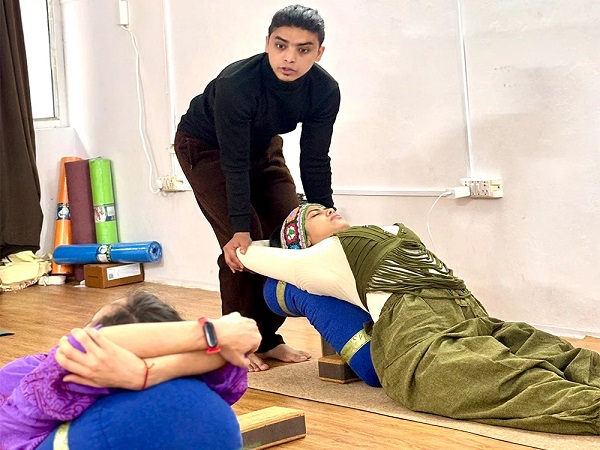
A meditation retreat offers a pause from constant messages, crowded schedules, and familiar demands. At Karoli Yoga School, Meditation Retreats in Rishikesh give visitors a setting to practise attention, learn meditation methods, and make space for reflection. The experience is not about forcing the mind to become empty. Instead, participants notice thoughts, return to the present, and respond with patience. Guided sessions and quiet observation introduce habits that can remain useful after the journey ends.
A Setting That Supports Quiet Attention
Rishikesh sits near the Ganges and the Himalayan foothills, attracting visitors interested in yoga, spiritual study, and nature. Meditation Retreats in Rishikesh place contemplative practice within this environment. River sounds, changing light, and mountain scenery may encourage a slower pace. Meditation Retreats in Rishikesh still depend more on regular practice than scenery.
Rishikesh is also a living town, not a silent sanctuary. Respecting local customs and allowing room for ordinary activity can make the stay more balanced.
What Happens During a Meditation Retreat
A retreat schedule may include seated meditation, guided awareness, breathing exercises, gentle movement, relaxation, and discussions about meditation principles. At Karoli Yoga School, ask for the current timetable because programme formats and inclusions can vary. Meditation Retreats in Rishikesh may suit newcomers when teachers explain each method clearly.
Some sessions focus on observing the breath. Others use a body scan, a repeated phrase, or awareness of sounds. Participants learn how posture, attention, and duration affect their experience. Meditation Retreats in Rishikesh can introduce these elements at a manageable pace. The aim is consistent practice, not achieving a special state in every session.
Meditation Retreats in Rishikesh for Everyday Awareness
Meditation can help people notice connections between attention, emotion, and daily choices. During Meditation Retreats in Rishikesh, participants explore how to recognise distraction without judging themselves. When attention wanders, they practise returning to their chosen focus. This process supports many meditation methods.
Benefits vary. Some participants value time without digital interruptions, while others appreciate learning a method they can continue at home. Meditation Retreats in Rishikesh offer room to explore both priorities. A retreat should not promise to cure anxiety, depression, or physical illness. People with health concerns should consult an appropriate professional before changing their care routine.
Learning to Sit With Patience
New meditators sometimes expect immediate calm. In reality, sitting quietly can reveal restlessness, discomfort, or many thoughts. Meditation Retreats in Rishikesh can introduce gradual methods that make practice less intimidating. Teachers may suggest a supported seat, shorter sessions, or mindful walking when sitting becomes difficult.
Comfort matters. Keep the spine upright without stiffening the shoulders, and adjust your position when needed. If pain, dizziness, or distress occurs, pause and speak with the instructor. Meditation is awareness, not a test of endurance.
Guidance, Group Practice, and Personal Space
A teacher explains a technique, demonstrates posture, and responds to questions. Group sessions create a shared routine, while personal time allows private reflection. A balanced timetable should leave enough space between activities for meals, rest, and quiet integration, rather than filling every hour with instruction. When comparing Meditation Retreats in Rishikesh, check the instructor’s background, group size, teaching language, and opportunities for individual guidance.
Ask whether the retreat welcomes beginners and allows activity modifications. Confirm the schedule, accommodation, meals, transport, fees, and cancellation terms. Clear answers show what the package includes and prevent assumptions. Compare Meditation Retreats in Rishikesh by the schedule and support offered.
Carrying the Practice Beyond the Retreat
A retreat becomes more useful when participants make a realistic plan for home. Start with a short daily session at a consistent time. Choose one method, and record brief observations about attention, posture, and mood. Meditation Retreats in Rishikesh can provide an introduction, but familiarity grows through regular practice after departure.
Connect meditation with ordinary activities. Pause before opening your phone, notice your breath while waiting, or give full attention to a meal. These moments do not replace formal sessions, yet they bring awareness into daily routines.
A Separate Yoga Study Option
Those interested in movement-based learning may separately consider 50 Hour Yin Yang Yoga Teacher Training in Rishikesh. This teacher-training course combines slower, sustained Yin postures with more active Yang sequences. It is a distinct programme, not automatically included in a meditation retreat. Review its curriculum, dates, eligibility, fees, and teaching hours independently.
Practical Preparation for Your Visit
Before travelling, confirm arrival details and what the retreat supplies. Pack comfortable clothing, suitable footwear, personal medication, and items needed for your health routine. Keep your schedule flexible, especially if you are unfamiliar with extended meditation. Meditation Retreats in Rishikesh may involve several sessions daily, so rest and hydration matter.
At Karoli Yoga School, request current information about dates, facilities, teaching arrangements, and expected experience. Share dietary needs or accessibility requirements in advance. Respect shared spaces, follow local guidance, and allow time to adjust.
Conclusion
A meditation retreat offers structured time to slow down, learn practical techniques, and examine everyday patterns with care. Meditation Retreats in Rishikesh combine guided sessions with the atmosphere of a town known for yoga and contemplative traditions. Karoli Yoga School can help visitors understand programme details and decide whether the schedule suits their needs. Approach the experience with realistic expectations, curiosity, and patience. A meaningful outcome may be a simple practice that continues at home, supporting attention and reflection long after the visit.