
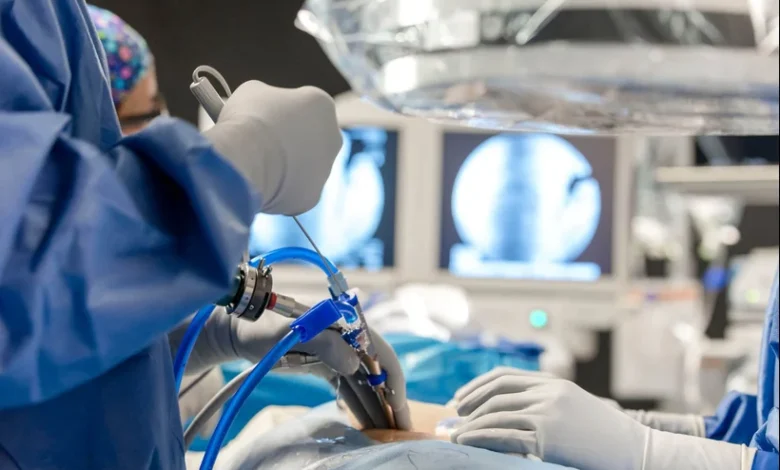
Spinal disorders can gradually affect movement, physical comfort and personal independence. For many individuals, persistent back pain or nerve-related symptoms make everyday responsibilities increasingly challenging. Modern medical techniques have introduced different approaches to managing these conditions. Spinal Stenosis Treatment Kerala provides an option for carefully selected patients who require treatment for certain spinal problems. This minimally invasive technique uses specialised instruments and camera guidance to access affected areas. Dr Fazal Rehman highlights the importance of understanding available procedures, receiving an accurate diagnosis and selecting treatment according to individual medical needs.
A Closer Look at Spinal Stenosis Treatment Kerala
Spinal Stenosis Treatment Kerala is a specialised procedure that allows surgeons to access targeted spinal structures through a small incision. A thin instrument containing a camera provides magnified images of the treatment area on a screen. This visual guidance helps the surgeon perform specific procedures with controlled access.
Traditional open surgery may require greater exposure of the surrounding muscles and tissues. In comparison, Spinal Stenosis Treatment Kerala techniques aim to limit unnecessary tissue disruption. Consequently, eligible patients may benefit from reduced postoperative discomfort and a potentially shorter recovery period.
However, every spinal condition is different. Spinal Stenosis Treatment Kerala is considered only when the patient’s diagnosis, anatomy and treatment requirements make this approach suitable.
Medical Conditions That May Benefit from Spinal Stenosis Treatment Kerala
Several spinal problems can produce pain, numbness and restricted movement. Some conditions may be managed through Spinal Stenosis Treatment Kerala techniques after a thorough specialist assessment.
A herniated disc develops when the soft material inside a spinal disc moves beyond its normal boundary. If this material irritates a nearby nerve, patients may experience back pain, leg pain or tingling sensations. Selected procedures can remove the material responsible for nerve irritation.
Foraminal stenosis involves narrowing of the openings through which spinal nerves pass. This narrowing may cause discomfort, weakness or sensory changes. Certain cases of spinal canal narrowing and nerve compression may also require specialist attention.
The decision to undergo Spinal Stenosis Treatment Kerala depends on the exact condition rather than symptoms alone. Proper clinical evaluation helps establish an appropriate treatment direction.
Important Benefits of Minimally Invasive Techniques
Minimally invasive spinal procedures aim to address specific problems while reducing unnecessary disturbance to surrounding tissues. Their potential advantages make them an important option in modern spinal care.
Smaller incisions may reduce damage to nearby muscles. In suitable cases, patients may experience less postoperative pain, limited blood loss and shorter hospital stays. Some individuals may also resume routine activities earlier under medical supervision.
Nevertheless, these benefits vary according to the procedure and the patient’s health. Spinal Stenosis Treatment Kerala does not guarantee faster recovery or eliminate every surgical risk. Patients should discuss realistic outcomes, possible complications and alternative treatments before making a decision.
The Importance of Specialist Experience
Spinal procedures require careful planning because the spine contains delicate nerves and supporting structures. Choosing a suitably trained surgeon is therefore an important part of treatment planning.
Patients should review professional qualifications, specialised surgical training and relevant clinical experience. They should also consider whether the specialist explains the diagnosis, procedure and recovery expectations clearly.
Dr Fazal Rehman emphasises individual assessment before recommending any spinal intervention. Understanding the patient’s symptoms, previous treatments and general health helps guide appropriate decisions.
A productive consultation should include discussions about expected benefits, possible risks and non-surgical alternatives. Patients should feel comfortable asking questions and understanding each stage of the proposed treatment.
Diagnostic Tests and Preoperative Planning
Accurate diagnosis helps determine whether surgery is necessary. During an initial consultation, the specialist reviews the patient’s medical history, symptoms and previous investigations.
A physical examination may assess posture, spinal movement, reflexes, muscle strength and sensation. These findings can reveal possible nerve involvement and functional limitations.
Imaging investigations provide further information when required. MRI scans can show discs, nerves and surrounding soft tissues, while CT scans help assess bone structures. The specialist interprets these findings alongside the clinical examination.
Before recommending Spinal Stenosis Treatment Kerala, the medical team considers whether the expected benefits justify the potential risks. This careful process helps patients understand their available treatment choices.
Back Pain Specialist in Kerala
A Back Pain Specialist in Kerala helps individuals investigate recurring discomfort and understand conditions affecting the spinal structures. Assessment may include reviewing medical history, evaluating physical movement and recommending appropriate diagnostic tests. Depending on the findings, patients may receive guidance about medication, physiotherapy, rehabilitation or specialist procedures. People experiencing persistent back pain, restricted mobility or discomfort spreading towards the legs should seek professional advice. Timely evaluation helps identify possible causes and supports a treatment strategy based on individual symptoms, physical requirements and overall health.
Postoperative Care and Rehabilitation
Recovery requires attention even when a minimally invasive technique is used. Patients should follow the treating surgeon’s instructions and avoid activities that could interfere with healing.
Walking may be encouraged at an appropriate stage, while heavy lifting and strenuous exercise may need temporary restrictions. The exact recommendations depend on the procedure and the patient’s progress.
Physiotherapy can support rehabilitation when clinically recommended. Structured exercises help improve flexibility, strengthen supporting muscles and restore functional movement gradually.
After Spinal Stenosis Treatment Kerala, scheduled follow-up visits allow the specialist to review healing and address concerns. Patients should promptly report fever, wound complications, increasing pain or newly developing weakness and numbness.
Everyday Habits That Support Spinal Wellness
Long-term spinal health also depends on daily lifestyle choices. Maintaining an active routine can strengthen supporting muscles and improve general physical fitness.
People who spend long hours sitting should adjust their workstations and take regular movement breaks. Comfortable seating and appropriate screen positioning can reduce unnecessary postural strain.
Proper lifting techniques are equally important. Keep objects close to the body, bend your knees and avoid sudden twisting movements when carrying heavy loads.
Additionally, maintaining a healthy weight, sleeping comfortably and following suitable exercise recommendations can support spinal function. Individuals with existing conditions should consult a healthcare professional before starting demanding activities.
Conclusion
Modern minimally invasive procedures have created additional possibilities for managing selected spinal disorders. However, successful treatment depends on accurate diagnosis, appropriate patient selection and careful surgical planning. Spinal Stenosis Treatment Kerala can be considered by eligible patients after discussing its suitability, potential benefits and limitations with a qualified specialist. Dr Fazal Rehman highlights the importance of personalised medical guidance and responsible treatment decisions. With appropriate rehabilitation, regular follow-up and healthy lifestyle practices, individuals can work towards improved mobility, better physical function and lasting spinal wellness.